Crispy Hot Honey Lemon Feta Chicken Cutlets — Best 35-Min


Crispy Hot Honey Lemon Feta Chicken Cutlets — Best 35-Min
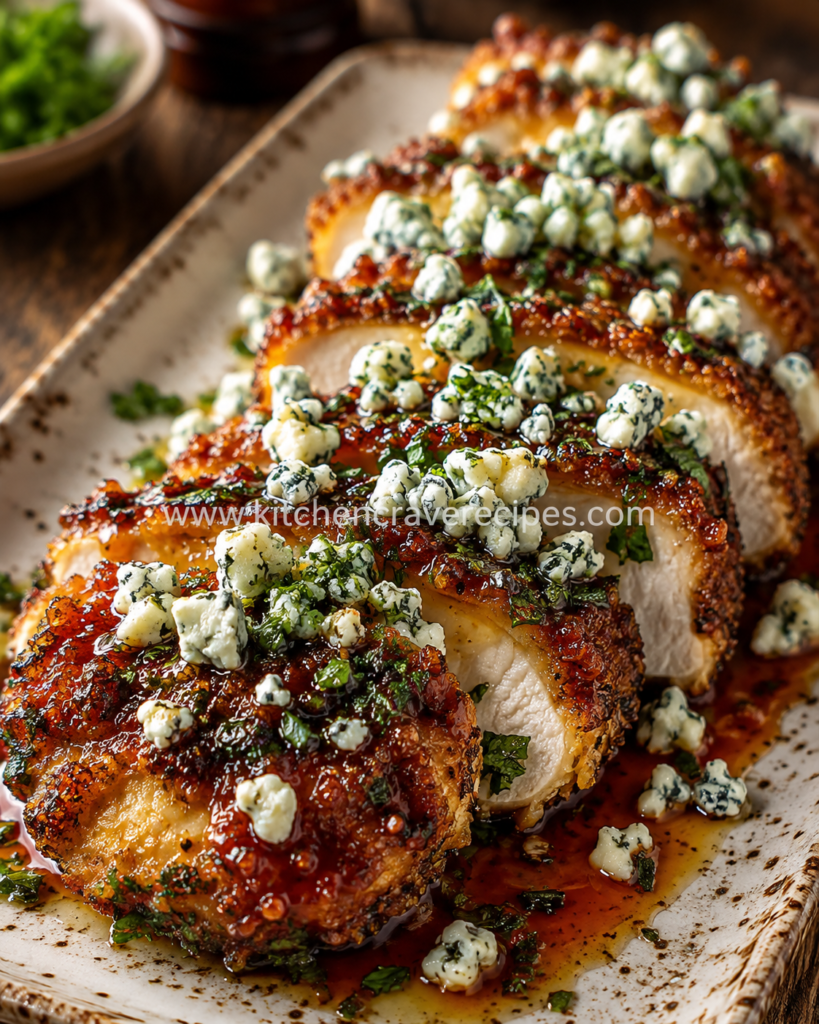
If there’s one recipe that genuinely earns the word “obsessed,” it’s these hot honey lemon feta chicken cutlets. Imagine a thin, breadcrumb-crusted chicken cutlet sautéed until the crust is a deep, crackling amber — the kind that audibly crunches when you press it. Then picture that crust glazed with a warm, spicy-sweet hot honey lemon sauce, topped with creamy crumbled feta and finely chopped fresh herbs, and finished with a cool tzatziki drizzle that cuts straight through all that richness. It’s a lot happening on one plate, and every single element earns its place.
The sauté method is what makes this recipe sing on a weeknight. High heat in a well-oiled skillet gives the breaded cutlets a crust that no oven can replicate in the same time window — audibly crunchy, evenly browned, and done in under 10 minutes per side. The tzatziki and feta go on at the end, cold from the fridge, so the temperature contrast between the hot cutlet and the cool toppings is part of the whole experience.
Recipe Quick Info
| Detail | Info |
|---|---|
| Prep Time | 20 minutes |
| Cook Time | 15 minutes |
| Total Time | 35 minutes |
| Servings | 4 |
| Course | Main Course |
| Cuisine | American-Mediterranean |
| Cooking Method | Sautéing |
| Calories | ~480 per serving |
| Difficulty | Standard |
Why You’ll Love These Hot Honey Lemon Feta Chicken Cutlets
- Weeknight-fast at 35 minutes total — the sauté method cooks thin cutlets in under 15 minutes of actual stove time, making this genuinely achievable on busy evenings without rushing.
- Flavor contrast in every bite — the spicy-sweet hot honey glaze, the salty tang of crumbled feta, the cool herby tzatziki, and the crispy breaded crust all hit in the same forkful.
- Restaurant-level plating with pantry ingredients — no specialty items required; everything on the ingredient list is available at any standard grocery store year-round.
- Naturally high in protein — each serving delivers approximately 42 grams of protein from the chicken, making this a satisfying, muscle-supporting meal with no extra effort.
- Completely adaptable heat level — the hot honey can be mild or genuinely fiery depending on how much chili you add, making this suitable for spice-shy family dinners and heat-lover tables alike.
- Built-in make-ahead component — the tzatziki sauce can be made up to 3 days ahead, and the breadcrumb coating stays crispier when the chicken is breaded right before cooking rather than sitting overnight.
- Works as an appetizer or plated main — slice the sautéed cutlets on a board topped with feta and herbs for a shareable platter, or plate individually over rice or greens for a full sit-down dinner.
- Versatile topping format — swap feta for crumbled blue cheese (as shown in the reference photo) for a bolder, more pungent finish that works equally well with the hot honey drizzle.
Ingredients
For the Chicken Cutlets
- 4 boneless, skinless chicken breasts (6–7 oz each), pounded to ½-inch thickness
- 1 cup panko breadcrumbs
- ⅓ cup finely grated Parmesan cheese
- 1 teaspoon garlic powder
- 1 teaspoon smoked paprika
- ½ teaspoon dried oregano
- ½ teaspoon kosher salt
- ¼ teaspoon black pepper
- 2 large eggs, beaten
- ¼ cup all-purpose flour
- 3 tablespoons olive oil (for sautéing), plus more if needed
For the Hot Honey Lemon Glaze
- 3 tablespoons hot honey (store-bought, such as Mike’s Hot Honey, or homemade)
- 1 tablespoon fresh lemon juice
- 1 teaspoon lemon zest
- ½ teaspoon crushed red pepper flakes (reduce to ¼ tsp for milder heat)
- 1 tablespoon unsalted butter
For the Tzatziki Drizzle
- ½ cup full-fat Greek yogurt
- ¼ cup grated English cucumber, squeezed completely dry in a clean towel
- 1 tablespoon fresh lemon juice
- 1 small garlic clove, finely grated
- 1 tablespoon fresh dill, finely chopped
- 1 tablespoon fresh mint, finely chopped
- ¼ teaspoon kosher salt
- ¼ teaspoon black pepper
For Finishing
- ½ cup crumbled feta cheese (or crumbled blue cheese for a bolder variation — see photo)
- 3 tablespoons fresh flat-leaf parsley, finely chopped
- 2 tablespoons fresh chives, finely chopped
- Extra lemon wedges, for serving
Optional Add-Ins
- 1 tablespoon capers folded into the tzatziki (adds brininess)
- Pinch of cayenne in the breadcrumb mix (extra heat layer)
- 1 teaspoon honey stirred into the tzatziki (softens the tang for spice-sensitive eaters)
Substitution Guide
| Original Ingredient | Substitution | Notes |
|---|---|---|
| Panko breadcrumbs | Regular fine breadcrumbs | Less crunchy; coat more thinly to avoid doughy texture |
| Hot honey | Regular honey + ½ tsp chili flakes | Stir together and warm gently before drizzling |
| Feta cheese | Crumbled blue cheese | Bolder, more pungent — excellent match with hot honey |
| Full-fat Greek yogurt | 2% Greek yogurt | Slightly thinner tzatziki; drain for 10 min to thicken |
| Fresh dill (tzatziki) | Dried dill | Use ⅓ of the quantity — dried is more concentrated |
| Chicken breasts | Chicken thighs, pounded thin | Slightly more fat and flavor; watch for slightly longer sauté time |
| All-purpose flour | Rice flour | Naturally gluten-free; produces a crispier, lighter coating |
Kitchen Tools Needed
- Large skillet (12-inch, stainless steel or cast iron) — essential for sautéing; gives even, high-heat contact across the full surface of each cutlet
- Meat mallet or rolling pin — for pounding chicken breasts to a uniform ½-inch thickness, which is critical for even sauté cooking
- 3 shallow bowls or dishes — for the standard flour / egg / breadcrumb dredging station
- Tongs — for safely flipping cutlets in hot oil without puncturing the crust
- Instant-read thermometer — to confirm the chicken has reached the USDA-recommended safe internal temperature of 165°F before plating
- Small saucepan — for warming the hot honey lemon glaze
- Box grater or microplane — for grating cucumber (tzatziki) and Parmesan (breading)
- Clean kitchen towel or cheesecloth — for squeezing excess moisture from grated cucumber; skipping this step makes the tzatziki watery
- Cutting board and sharp chef’s knife — for slicing finished cutlets and chopping herbs
- White serving platter or plate — the contrast between the amber-brown cutlets, orange-red glaze, white feta, and green herbs is part of the visual appeal
Step-by-Step Instructions
Step 1: Make the Tzatziki Drizzle First
Combine the Greek yogurt, squeezed-dry grated cucumber, lemon juice, grated garlic, dill, mint, salt, and pepper in a bowl and stir until fully combined. Taste and adjust salt. Cover and refrigerate for at least 15 minutes — the chill time allows the garlic and herb flavors to bloom into the yogurt rather than tasting raw and sharp. The tzatziki can be made up to 3 days ahead and stored in an airtight container; the flavor actually improves after 24 hours.
Step 2: Pound and Season the Chicken
Place each chicken breast between two sheets of plastic wrap or in a zip-top bag. Use a meat mallet or rolling pin to pound from the thickest part outward until the cutlet is a uniform ½ inch thick. Uniform thickness is the single most important prep step for sautéing — thicker spots will still be raw when the thinner edges are overcooked. Season both sides of each pounded cutlet lightly with salt and pepper before breading.
Step 3: Set Up the Dredging Station
Arrange three shallow bowls in a line: flour in the first, beaten eggs in the second, and the panko-Parmesan mixture (combined with garlic powder, smoked paprika, oregano, salt, and pepper) in the third. Working one cutlet at a time, dredge in flour and shake off any excess — a thin, even flour coat is what helps the egg adhere properly. Dip in the beaten egg, letting any excess drip off, then press firmly into the panko mixture on both sides, making sure every part of the surface is coated.
Embedded Tip: Press the panko firmly into the chicken rather than just dropping it in the bowl. Pressing creates a denser, more adherent crust that doesn’t fall off during sautéing — the difference between a cutlet that holds together and one that sheds its crust into the oil.
Step 4: Sauté the Chicken Cutlets
Heat 3 tablespoons of olive oil in a 12-inch skillet over medium-high heat until the oil shimmers and a pinch of panko dropped in sizzles immediately and vigorously. This shimmer point is the correct sauté temperature — oil that isn’t hot enough produces a pale, greasy, soggy crust rather than a golden one. Add two cutlets to the skillet without touching each other — do not crowd the pan (see Common Mistakes). Cook for 4–5 minutes undisturbed on the first side until the bottom is a deep, even amber and releases cleanly from the pan.
Step 5: Flip and Finish Sautéing
Using tongs, flip each cutlet carefully. The second side cooks in 3–4 minutes — slightly shorter because the pan and oil are now fully at temperature. You’re looking for the same deep amber-brown color on the second side, and the edges of the chicken should have transitioned from pink to fully opaque white all the way through. Use an instant-read thermometer to confirm an internal temperature of 165°F at the thickest point before removing from the heat.
Embedded Tip: Resist pressing the cutlet down with a spatula while it sautés. Pressing forces the juices out of the meat and pushes oil up through the crust, making it greasier and less crispy. Let the hot oil and the pan do the work.
Step 6: Rest the Cutlets
Transfer finished cutlets to a wire rack set over a sheet pan rather than directly onto a plate. Resting on a rack (rather than a flat surface) prevents steam from building under the cutlet and softening the bottom crust. Rest for 3 minutes while you prepare the glaze. Repeat the sauté process with the remaining two cutlets, adding another tablespoon of oil if the pan looks dry.
Step 7: Make the Hot Honey Lemon Glaze
In a small saucepan over low heat, combine the hot honey, fresh lemon juice, lemon zest, crushed red pepper flakes, and butter. Stir gently for 1–2 minutes until the butter melts and the glaze is fully cohesive and warmed through — you’re not reducing it, just emulsifying the butter into the honey so it coats the chicken rather than running straight off. It should smell bright and faintly floral from the lemon with an underlying warmth from the chili.
Step 8: Plate and Drizzle
Arrange the sautéed cutlets on a white serving platter or individual plates. Spoon the hot honey lemon glaze generously over the top of each cutlet — it will pool slightly around the edges and soak into the panko crust at the surface, just as shown in the photo. Immediately scatter the crumbled feta over the top, then drizzle the chilled tzatziki in thin ribbons across everything. Finish with a generous handful of chopped parsley and chives, and serve with lemon wedges on the side.
Pro Tips for Perfect Hot Honey Lemon Feta Chicken Cutlets
Sautéing tip — never skip the shimmer test. Cold or under-heated oil is the number-one reason panko crusts go pale and greasy. Before adding any cutlet, the oil must shimmer visibly when you tilt the pan, and a single breadcrumb dropped in should sizzle within one second. If it doesn’t, wait another 30–60 seconds and test again.
Squeeze the cucumber bone-dry for tzatziki. Grated cucumber holds a surprising amount of water. After grating, wrap it in a clean kitchen towel and wring hard — you should see a small puddle of liquid come out. Un-squeezed cucumber dilutes the yogurt into something closer to a thin sauce than a proper tzatziki drizzle.
Pound to a true ½ inch, not roughly ½ inch. Even a ¾-inch thick spot in the center of the cutlet means the crust will be fully browned and starting to harden before the interior hits 165°F. Use a ruler if you’re new to pounding — it sounds fussy but makes a measurable difference in the finished texture.
Make the glaze last, not first. The hot honey lemon glaze firms up quickly as it cools. Warm it in the saucepan while the final two cutlets are resting, right before you plate — this keeps the glaze fluid and glossy rather than sticky and stiff when it hits the chicken.
Use a wire rack, not paper towels. Paper towels trap steam against the crust’s underside. A wire rack lets air circulate fully around the cutlet so the bottom stays as crisp as the top through the entire plating and serving process.
Common Mistakes to Avoid
1. Crowding the sauté pan (sautéing-specific mistake).
Adding all four cutlets to the skillet at once drops the pan temperature dramatically, turning a high-heat sauté into a low-heat steam. The result is pale, soft, greasy breading instead of a crackling crust. Cook two cutlets at a time maximum — the extra 5 minutes is completely worth it.
2. Not squeezing the cucumber for tzatziki.
Wet cucumber water-logs the yogurt and turns the tzatziki thin and sour within 20 minutes. Squeeze until no more liquid runs out. The finished drizzle should be thick enough to mound slightly on a spoon, not pool flat.
3. Skipping the flour layer in the dredge.
Flour is the adhesive layer that makes the egg stick to the chicken, which in turn makes the panko stick to the egg. Without it, the crust slides off in patches during sautéing, leaving bare spots on the finished cutlet.
4. Drizzling cold glaze over cold chicken.
The hot honey lemon glaze needs to be warm to flow evenly and penetrate the crust slightly. Cold glaze seizes into a sticky, uneven coating. Always warm the glaze immediately before plating, and always apply it to the freshly rested, still-hot cutlets.
5. Adding the feta before the glaze.
Feta placed on the chicken before the hot honey goes on will partially melt and turn greasy rather than staying as distinct, creamy crumbles. The correct layering order — glaze first, then feta, then tzatziki, then herbs — preserves each topping’s texture and flavor integrity.
6. Using low-moisture mozzarella or the wrong cheese.
Substituting a melting cheese like mozzarella for the feta fundamentally changes the dish — it melts into a pool rather than staying as cool, salty crumbles. Stick with feta (or crumbled blue cheese) specifically because they hold their shape on a hot surface rather than melting.
7. Under-seasoning the breadcrumb mixture.
Panko is completely bland on its own. If the breadcrumb mixture tastes flat before breading, the finished crust will taste flat no matter how good the hot honey and feta are. Season aggressively — the crust flavor needs to carry the entire bite before toppings are even added.
Variations
Healthy / Lower-Calorie Version
Reduce the olive oil to 1½ tablespoons and use a non-stick skillet over medium-high heat to sauté with less fat. Replace half the panko with finely crushed oat flour for a slightly denser but still crispy coating. Use 0% Greek yogurt for the tzatziki and reduce the feta to ¼ cup. Each serving drops to approximately 360 calories while retaining the core flavor profile.
Vegetarian Version
Replace the chicken with thick slices of cauliflower steak (cut from a whole head, about ¾ inch thick) or firm halloumi, pounded slightly flat. Dredge and sauté identically — halloumi develops a beautiful golden crust in 2–3 minutes per side, while cauliflower needs 5–6 minutes per side at the same medium-high heat. The hot honey lemon glaze and feta toppings work identically on both.
Spicy Version
Double the crushed red pepper flakes in the glaze to 1 teaspoon and add ½ teaspoon of cayenne to the panko mixture. Use a hotter hot honey variety (such as one made with habanero rather than standard chili), and add 1 teaspoon of sriracha to the tzatziki. The result is genuinely spicy — the cool tzatziki becomes essential for balance rather than just textural contrast.
Gluten-Free Version
Replace the all-purpose flour with rice flour or certified gluten-free all-purpose flour, and substitute standard panko with certified gluten-free panko breadcrumbs (widely available). Rice flour produces an even crispier crust than wheat flour in this sauté application. All other ingredients in the recipe are naturally gluten-free — verify your hot honey brand label to be certain.
Low-Carb / Keto Version
Replace panko with a mixture of almond flour (½ cup) and finely grated Parmesan (¼ cup) — skip the all-purpose flour layer and dredge directly in egg, then the almond-Parmesan mixture. Almond flour browns faster than panko, so reduce the sauté heat slightly to medium and watch closely. Replace the hot honey with a sugar-free hot honey alternative (Swerve makes one) to keep the dish keto-compatible without losing the glaze flavor.
What to Serve With This Recipe
- Warm pita bread or flatbread — perfect for scooping up the extra tzatziki and hot honey that pools on the plate.
- Cucumber and tomato salad with olive oil and fresh herbs — a cool, simple Mediterranean side that echoes the tzatziki flavors without competing.
- Lemon herb couscous — light and fluffy, it absorbs the hot honey drizzle that runs off the cutlets beautifully.
- Easy Turkey Bacon Cheeseburger Crescent Rolls (Best 30-Min) — bright with kalamata olives, cherry tomatoes, and feta, it mirrors the Mediterranean profile of the chicken perfectly.
- Roasted asparagus or green beans — pairs well with the richness of the breaded cutlets and needs only 15 minutes in the oven at 425°F alongside the dish.
- Simple arugula salad with lemon vinaigrette — the peppery bitterness of arugula cuts through the sweetness of the hot honey glaze cleanly.
- Steamed basmati rice — neutral enough to let the bold toppings lead, and excellent for soaking up the combined glaze and tzatziki that drips off the cutlets.
- Hummus with pita chips — works as a starter or side and rounds out the Mediterranean theme without any extra cooking effort.
Storage Instructions
Refrigerator
Store leftover sautéed chicken cutlets separately from the tzatziki and feta toppings in an airtight container in the refrigerator for up to 3 days. The tzatziki keeps well in its own sealed container for up to 3 days. Do not store the assembled, topped cutlets — the moisture from the tzatziki and glaze softens the crust during storage. Reassemble with fresh toppings after reheating.
Freezer
Sautéed breaded cutlets freeze well for up to 1 month. Freeze them plain — without glaze, feta, or tzatziki — wrapped individually in plastic wrap and placed in a zip-top freezer bag. Thaw overnight in the refrigerator. The tzatziki does not freeze well (the yogurt separates and becomes watery upon thawing) — make a fresh batch for reheated cutlets.
Shelf Life Summary
| Component | Refrigerator | Freezer |
|---|---|---|
| Breaded chicken cutlets (plain) | Up to 3 days | Up to 1 month |
| Tzatziki drizzle | Up to 3 days | Not recommended |
| Hot honey lemon glaze | Up to 1 week | Up to 1 month |
| Assembled, topped dish | Same day only | Not recommended |
Reheating Instructions
Oven (Best for Crust): Preheat to 375°F and place the plain cutlets on a wire rack set over a sheet pan. Heat uncovered for 10–12 minutes until the internal temperature returns to 165°F and the crust has re-crisped. This is far superior to microwave reheating for a breaded cutlet — the dry oven heat drives off refrigerator moisture and restores the crunch.
Stovetop (Second-Best Option): Place the cutlet in a dry non-stick skillet over medium heat. Cover loosely with a lid for 3–4 minutes, flip, then remove the lid and cook for another 2 minutes uncovered to re-crisp the newly top-facing side. This method works well for 1–2 cutlets when you don’t want to heat the full oven.
Microwave (Fastest, Softest Result): Heat on 60% power for 60–90 seconds. The crust will soften significantly — this method is best suited for slicing the reheated cutlet into a wrap or sandwich where the soft texture is less noticeable. Always confirm the center has reached 165°F before eating.
For complete guidance on safe reheating temperatures for cooked poultry, refer to the FDA’s safe minimum cooking temperatures reference.
Nutrition Facts (Per Serving, Based on 4 Servings)
| Nutrient | Amount |
|---|---|
| Calories | ~480 kcal |
| Total Fat | 22g |
| Saturated Fat | 7g |
| Cholesterol | 155mg |
| Sodium | 720mg |
| Total Carbohydrates | 28g |
| Dietary Fiber | 1g |
| Total Sugars | 10g |
| Protein | 42g |
| Calcium | 180mg |
Nutrition Disclaimer: All values above are estimates based on the listed ingredients and serving sizes using a standard nutrition database. Actual values will vary depending on the specific brands of hot honey, Greek yogurt, feta, and breadcrumbs used, the thickness of the cutlets, and any ingredient substitutions made. For precise dietary tracking, calculate using your specific ingredients and quantities in a verified nutrition tool.
Frequently Asked Questions
Can I bake these instead of sautéing them?
Yes, but expect a different result. Baking breaded chicken at 425°F for 20–22 minutes produces a cooked, lightly golden crust, but it won’t develop the same deep amber, crackling texture that a hot-oil sauté gives you. If you bake, spray the breaded cutlets generously with cooking spray before going into the oven to encourage browning, and flip once at the 12-minute mark.
What is hot honey and where do I find it?
Hot honey is regular honey infused with chili peppers — it’s sweet, slightly viscous, and builds gentle to moderate heat depending on the brand. Mike’s Hot Honey is the most widely available and can be found in most grocery stores, Whole Foods, and online. You can also make your own by warming ½ cup honey with 1 teaspoon crushed red pepper flakes over low heat for 5 minutes, then straining.
Why does my panko crust fall off during sautéing?
The most common cause is skipping the flour layer. Flour is what creates adhesion between the moist chicken surface and the egg wash. Without it, the egg beads off the meat rather than coating it, and the panko has nothing to bond to. The second cause is flipping too early — the crust needs 4–5 full uninterrupted minutes to set and brown before it will release cleanly from the pan.
Can I use chicken thighs instead of breasts?
Boneless, skinless chicken thighs work well in this recipe, but they need to be trimmed and pounded even more carefully since they have an uneven shape. Thighs are slightly higher in fat, which means richer flavor but also a bit more rendered fat in the oil during sautéing — blot the finished cutlets on a rack rather than paper towels. Add 1–2 minutes of sauté time per side and confirm 165°F internally.
How do I keep the tzatziki from being watery?
Two steps: squeeze the grated cucumber until completely dry before adding to the yogurt, and use full-fat Greek yogurt rather than regular yogurt. Full-fat Greek yogurt is already strained to remove whey, so it’s thick from the start. If your tzatziki is still thin, strain the finished mixture through a fine mesh strainer over a bowl in the refrigerator for 30 minutes before serving.
Can I make the hot honey lemon glaze ahead of time?
Yes. The glaze keeps in a sealed jar in the refrigerator for up to 1 week. The butter in the glaze will solidify when cold — simply rewarm gently in a saucepan over low heat, stirring until fluid, before drizzling. Do not microwave in a sealed jar.
Is feta or blue cheese better on these cutlets?
Both work beautifully for different reasons. Feta is saltier and brighter with a milky tang that pairs with the lemon in the glaze. Blue cheese (visible in the reference photo) is earthier, creamier, and more pungent — it adds an almost funky depth that intensifies the hot honey contrast. If you enjoy blue cheese, it’s genuinely excellent here. Feta is the milder, more crowd-friendly option.
What’s the right pan for sautéing breaded cutlets?
A 12-inch stainless steel or cast iron skillet is ideal — both hold and distribute heat evenly across the full surface. Non-stick pans work but don’t reach the same high-heat capacity, and the crust can sometimes look paler as a result. Whatever pan you use, preheat it thoroughly before adding the oil, and preheat the oil before adding the chicken.
Can I add vegetables directly to the sauté pan?
Not while the cutlets are cooking — adding vegetables crowds the pan and lowers the temperature immediately, which is the exact sautéing mistake that kills the crust. Roast or sauté vegetables separately in a second pan at the same time, or cook them first and hold them warm while the cutlets cook.
How do I know the oil is at the right sauté temperature without a thermometer?
Drop a single panko breadcrumb into the oil. If it sizzles immediately and vigorously, the oil is ready. If it sits quietly or sinks, wait longer. If it browns and darkens within 5 seconds, the oil is too hot — remove from heat for 60 seconds before adding the cutlet. This simple test is more reliable than watching the clock and takes less than 3 seconds.
Can I prepare the breaded cutlets ahead of baking?
The breaded, uncooked cutlets can sit in the refrigerator on a parchment-lined sheet pan for up to 30 minutes before sautéing — any longer and the moisture from the chicken begins to soften the panko coating from the inside. Bread them, refrigerate briefly while you prep other components, then cook to order for the crispiest result.
Expert Chef Tips
Let the Parmesan in the breading do double duty. Finely grated Parmesan mixed into the panko doesn’t just add flavor — it contains natural fat and protein that caramelize deeply at sauté temperature, contributing to the richer, darker amber color of the finished crust compared to plain panko alone.
Temperature-contrast plating is intentional, not optional. The cold tzatziki and crumbled feta going onto the hot cutlet immediately before serving is a deliberate technique. The contrast between the sizzling hot crust and the cold, creamy toppings is part of what makes each bite interesting — don’t let the cutlets sit assembled for more than 2 minutes before serving or the tzatziki will warm and thin out.
Deglaze the pan between batches. After removing the first two cutlets, the pan will have browned bits of panko in the oil. These bits can burn during the second batch, adding a bitter note. Pour off the used oil carefully, wipe the pan quickly with a folded paper towel held with tongs, add fresh oil, and reheat before the next round.
Pound past what feels right. Most home cooks stop pounding when the cutlet looks thin. Go further — a genuine ½ inch feels almost too thin before cooking, but the crust adds visual bulk and the interior stays perfectly moist at that thickness during a medium-high sauté. Cutlets pounded to ¾ inch end up with overcooked crusts before the interior hits 165°F.
Rest the cutlets on a rack, glaze on the rack. If you apply the hot honey lemon glaze while the cutlet is still on the wire rack (over the sheet pan), any drips fall through and pool on the pan below rather than making the platter soggy. Transfer to the serving platter only after glazing — a cleaner result every time.
Recipe Summary
These hot honey lemon feta chicken cutlets deliver a genuinely exceptional combination of textures and flavors from a streamlined, 35-minute process. Thin, panko-Parmesan-crusted chicken is sautéed in a hot skillet until deeply golden, then topped immediately with a warm spicy-sweet honey lemon glaze, cool crumbled feta, and a bright tzatziki drizzle made with strained Greek yogurt, cucumber, and fresh herbs. The recipe has three distinct components — cutlets, glaze, and tzatziki — each built in sequence so the hot and cold elements hit the plate at exactly the right moment. A wire rack rest, the right pan temperature, and a properly squeezed tzatziki are the three technique details that separate a great result from a good one.
Conclusion
Once you master the sauté technique here — the shimmer test, the two-batch rule, the rack rest — these hot honey lemon feta chicken cutlets become the kind of recipe you keep in permanent rotation. The ingredient list is approachable, the technique is straightforward, and the payoff is a dinner that looks and tastes like you put in far more effort than 35 minutes. Make them once for a weeknight dinner, and you’ll find yourself making them again for the next time guests come over. They’re that reliable, and that good.
Crispy Hot Honey Lemon Feta Chicken Cutlets — Best 35-Min
Description
If there's one recipe that genuinely earns the word "obsessed," it's these hot honey lemon feta chicken cutlets. Imagine a thin, breadcrumb-crusted chicken cutlet sautéed until the crust is a deep, crackling amber — the kind that audibly crunches when you press it. Then picture that crust glazed with a warm, spicy-sweet hot honey lemon sauce, topped with creamy crumbled feta and finely chopped fresh herbs, and finished with a cool tzatziki drizzle that cuts straight through all that richness. It's a lot happening on one plate, and every single element earns its place.
Ingredients
Instructions
-
Step-by-Step Instructions
-
Step 1: Make the Tzatziki Drizzle First
-
Combine the Greek yogurt, squeezed-dry grated cucumber, lemon juice, grated garlic, dill, mint, salt, and pepper in a bowl and stir until fully combined. Taste and adjust salt. Cover and refrigerate for at least 15 minutes — the chill time allows the garlic and herb flavors to bloom into the yogurt rather than tasting raw and sharp. The tzatziki can be made up to 3 days ahead and stored in an airtight container; the flavor actually improves after 24 hours.
-
Step 2: Pound and Season the Chicken
-
Place each chicken breast between two sheets of plastic wrap or in a zip-top bag. Use a meat mallet or rolling pin to pound from the thickest part outward until the cutlet is a uniform ½ inch thick. Uniform thickness is the single most important prep step for sautéing — thicker spots will still be raw when the thinner edges are overcooked. Season both sides of each pounded cutlet lightly with salt and pepper before breading.
-
Step 3: Set Up the Dredging Station
-
Arrange three shallow bowls in a line: flour in the first, beaten eggs in the second, and the panko-Parmesan mixture (combined with garlic powder, smoked paprika, oregano, salt, and pepper) in the third. Working one cutlet at a time, dredge in flour and shake off any excess — a thin, even flour coat is what helps the egg adhere properly. Dip in the beaten egg, letting any excess drip off, then press firmly into the panko mixture on both sides, making sure every part of the surface is coated.
-
Embedded Tip: Press the panko firmly into the chicken rather than just dropping it in the bowl. Pressing creates a denser, more adherent crust that doesn't fall off during sautéing — the difference between a cutlet that holds together and one that sheds its crust into the oil.
-
Step 4: Sauté the Chicken Cutlets
-
Heat 3 tablespoons of olive oil in a 12-inch skillet over medium-high heat until the oil shimmers and a pinch of panko dropped in sizzles immediately and vigorously. This shimmer point is the correct sauté temperature — oil that isn't hot enough produces a pale, greasy, soggy crust rather than a golden one. Add two cutlets to the skillet without touching each other — do not crowd the pan (see Common Mistakes). Cook for 4–5 minutes undisturbed on the first side until the bottom is a deep, even amber and releases cleanly from the pan.
-
Step 5: Flip and Finish Sautéing
-
Using tongs, flip each cutlet carefully. The second side cooks in 3–4 minutes — slightly shorter because the pan and oil are now fully at temperature. You're looking for the same deep amber-brown color on the second side, and the edges of the chicken should have transitioned from pink to fully opaque white all the way through. Use an instant-read thermometer to confirm an internal temperature of 165°F at the thickest point before removing from the heat.
-
Embedded Tip: Resist pressing the cutlet down with a spatula while it sautés. Pressing forces the juices out of the meat and pushes oil up through the crust, making it greasier and less crispy. Let the hot oil and the pan do the work.
-
Step 6: Rest the Cutlets
-
Transfer finished cutlets to a wire rack set over a sheet pan rather than directly onto a plate. Resting on a rack (rather than a flat surface) prevents steam from building under the cutlet and softening the bottom crust. Rest for 3 minutes while you prepare the glaze. Repeat the sauté process with the remaining two cutlets, adding another tablespoon of oil if the pan looks dry.
-
Step 7: Make the Hot Honey Lemon Glaze
-
In a small saucepan over low heat, combine the hot honey, fresh lemon juice, lemon zest, crushed red pepper flakes, and butter. Stir gently for 1–2 minutes until the butter melts and the glaze is fully cohesive and warmed through — you're not reducing it, just emulsifying the butter into the honey so it coats the chicken rather than running straight off. It should smell bright and faintly floral from the lemon with an underlying warmth from the chili.
-
Step 8: Plate and Drizzle
-
Arrange the sautéed cutlets on a white serving platter or individual plates. Spoon the hot honey lemon glaze generously over the top of each cutlet — it will pool slightly around the edges and soak into the panko crust at the surface, just as shown in the photo. Immediately scatter the crumbled feta over the top, then drizzle the chilled tzatziki in thin ribbons across everything. Finish with a generous handful of chopped parsley and chives, and serve with lemon wedges on the side.
Nutrition Facts
Servings 4
- Amount Per Serving
- Calories 480kcal
- % Daily Value *
- Total Fat 22g34%
- Saturated Fat 7g35%
- Protein 42g84%
* Percent Daily Values are based on a 2,000 calorie diet. Your daily value may be higher or lower depending on your calorie needs.