Easy Creamy Garlic Salmon Pasta Bake (5-Star Ultimate Dinner)


The Creamy Garlic Salmon Pasta Bake That Belongs in Your Weekly Rotation
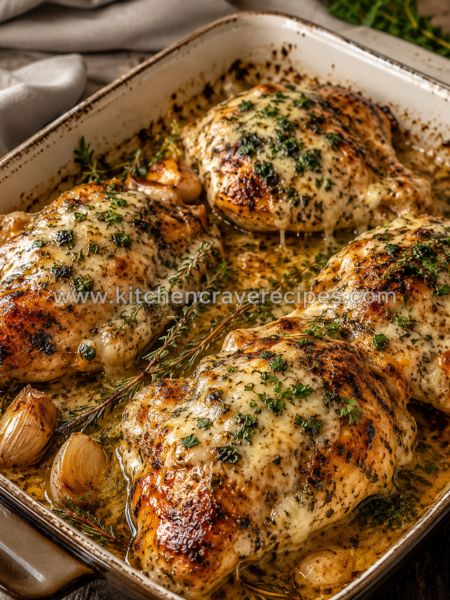
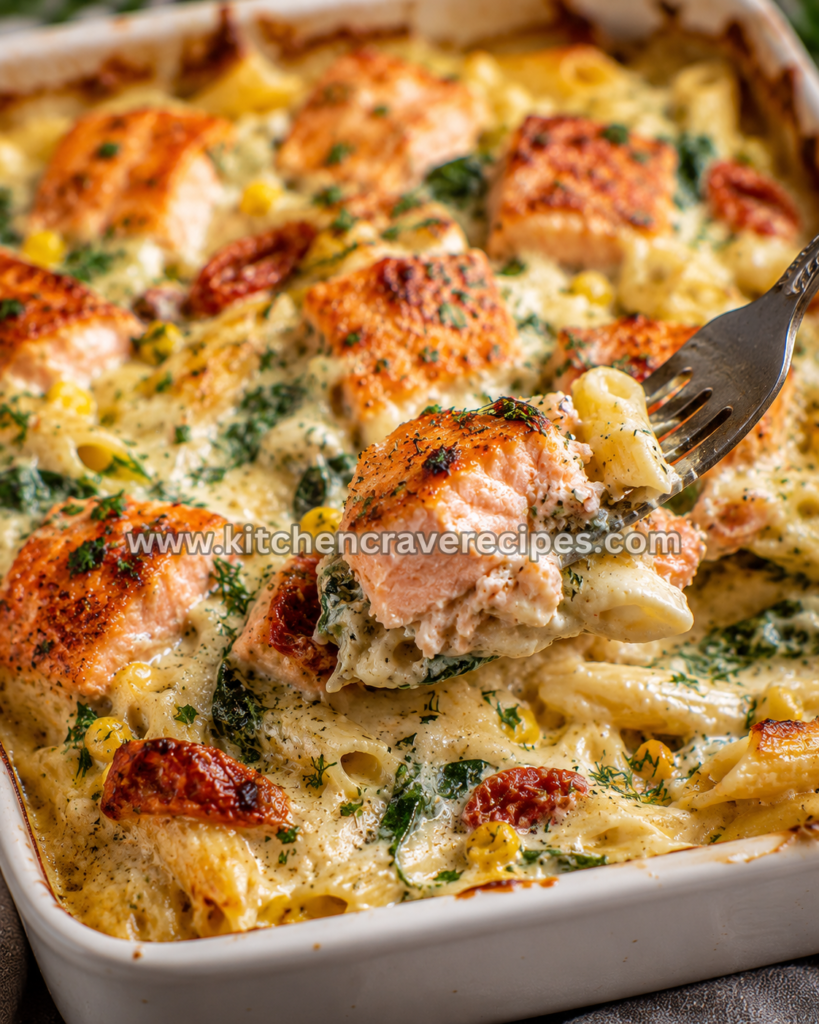
If there is one dish that manages to feel both weeknight-easy and dinner-party-worthy at the same time, it is a well-made creamy garlic salmon pasta bake. This version layers penne pasta in a rich, garlicky cream sauce, nestles salmon fillets right on top, coats everything in fragrant dried herbs, and slides the whole dish into a hot oven until the salmon develops a golden, lightly caramelized crust while the sauce bubbles up through the pasta below. The photo captures exactly what you get — bronzed, herb-dusted salmon sitting in a creamy, glossy pool of sauce with tender pasta peeking out underneath, all served straight from a wide ceramic baking dish.
What makes this recipe genuinely practical is that it comes together in one dish with minimal hands-on time. The baking method does the heavy lifting — no constant stirring, no standing over a pan — just prep, assemble, and let the oven turn it into something that looks and tastes deeply impressive.
Recipe Quick Info
| Detail | Info |
|---|---|
| Prep Time | 15 minutes |
| Cook Time | 35 minutes |
| Total Time | 50 minutes |
| Servings | 4 |
| Cuisine | American / European-Inspired |
| Course | Main Dish / Dinner |
| Cooking Method | Baking |
| Calories | ~580 per serving |
| Difficulty | Standard |
Why You’ll Love This Creamy Garlic Salmon Pasta Bake
- One-dish cleanup. Everything — pasta, sauce, and salmon — bakes together in a single ceramic dish, which means fewer pots and far less scrubbing after dinner.
- Genuinely high in protein. Each serving delivers roughly 42 grams of protein from salmon plus the pasta, making it a legitimate high-protein dinner without any tracking gymnastics.
- Hands-off baking does the work. Once the dish goes into the oven, you have 30 uninterrupted minutes to set the table, pour a glass of wine, or help with homework — no stirring required.
- The sauce is built into the bake. The cream sauce infuses the pasta from the bottom up while simultaneously basting the salmon from below — no separate sauce step, no extra pan.
- Impressive enough for guests. That herb-crusted, golden-topped salmon pulled from a white ceramic dish looks like something from a proper restaurant, and no one needs to know how simple it was.
- Flexible with what you have. Swap the pasta shape, change the herbs, or use a different fish entirely — the baking structure stays the same and the result is still excellent.
- Meal-prep friendly. Make the sauce and par-cook the pasta a day ahead, refrigerate, add the salmon fillets and bake fresh — dinner is on the table in under 35 minutes on busy nights.
Ingredients
For the Pasta Base
- 10 oz penne pasta (or rigatoni)
- Salted water for boiling
For the Creamy Garlic Sauce
- 2 tablespoons unsalted butter
- 6 cloves garlic, minced
- 1 cup heavy cream
- ½ cup whole milk
- ¾ cup freshly grated Parmesan cheese
- 1 teaspoon Dijon mustard
- ½ teaspoon onion powder
- ½ teaspoon kosher salt
- ¼ teaspoon white pepper
- ¼ teaspoon freshly cracked black pepper
For the Salmon
- 4 salmon fillets (about 5–6 oz each, skin-on or skinless)
- 1 tablespoon olive oil
- 1 teaspoon dried thyme
- 1 teaspoon dried dill
- ½ teaspoon garlic powder
- ½ teaspoon smoked paprika
- ½ teaspoon kosher salt
- ¼ teaspoon cracked black pepper
Optional Add-Ins
- 1 cup baby spinach, stirred into sauce before assembling
- ½ cup sun-dried tomatoes, roughly chopped
- 1 teaspoon lemon zest, added to the sauce for brightness
- Red pepper flakes, to taste
- Fresh dill or flat-leaf parsley, to finish
Ingredient Substitutions
| Original Ingredient | Substitution | Notes |
|---|---|---|
| Heavy cream | Full-fat coconut cream | Dairy-free; adds a very subtle sweetness that works well with dill |
| Parmesan cheese | Pecorino Romano | Slightly saltier and sharper — reduce added salt by ¼ tsp |
| Penne pasta | Rigatoni or ziti | Any short pasta with ridges catches the sauce well |
| Salmon fillets | Trout fillets or cod | Trout is closest in fat content; cod is leaner and bakes slightly faster |
| Whole milk | Half-and-half | Richer result; avoid skim milk, which breaks in the oven heat |
| Dijon mustard | Whole-grain mustard | Adds subtle texture; flavor profile is nearly identical |
| Dried thyme | Italian seasoning | Covers the same herb profile with slightly more complexity |
Kitchen Tools Needed
- Oven — preheated to 400°F; the core tool for this baking method
- Large ceramic or glass baking dish (9×13 inch or equivalent oval) — holds the pasta and sauce base with room for the salmon fillets on top; must be oven-safe
- Large pot — for par-cooking the pasta in well-salted boiling water
- Medium saucepan — for building the creamy garlic sauce on the stovetop before baking
- Colander — for draining the pasta
- Whisk — for incorporating the Parmesan into the cream sauce without lumps
- Wooden spoon or silicone spatula — for stirring pasta into sauce and spreading it evenly
- Instant-read thermometer — for confirming the salmon reaches a safe internal temperature
- Aluminum foil — for tenting during the initial bake if the sauce needs protection
- Sharp knife and cutting board — for mincing garlic and portioning salmon if needed
How to Bake Creamy Garlic Salmon Pasta Perfectly Every Time
Step 1: Preheat the Oven and Par-Cook the Pasta (15 minutes)
Position a rack in the center of your oven and preheat to 400°F. Bring a large pot of generously salted water to a rolling boil — it should taste distinctly seasoned, like mild seawater. Add the penne and cook for 2 minutes less than the package’s al dente time. The pasta will continue cooking in the oven and will absorb sauce as it bakes, so pulling it early prevents it from turning mushy. Drain well and set aside.
Embedded Tip: Do not rinse the pasta after draining. The surface starch left on each piece is what helps the cream sauce cling and thicken around the pasta during baking — rinsing washes that away.
Step 2: Build the Creamy Garlic Sauce (8 minutes)
Melt the butter in a medium saucepan over medium heat. Add the minced garlic and cook, stirring frequently, for about 90 seconds — you want it fragrant and very lightly golden at the edges but not browned, which would turn it bitter. Pour in the heavy cream and whole milk, whisking to combine, then bring to a gentle simmer over medium heat. Small, lazy bubbles should break at the surface; you are not looking for a full boil.
Add the Dijon mustard, onion powder, salt, white pepper, and black pepper, then whisk in the Parmesan cheese a handful at a time until fully melted and smooth. The sauce should coat the back of a spoon thickly but still pour easily. Remove from heat — it will continue to thicken slightly as it cools and will loosen again in the oven.
Step 3: Assemble the Bake (5 minutes)
Pour the drained pasta into the baking dish and add the cream sauce on top. Stir thoroughly to coat every piece of pasta, then spread it into an even layer — this ensures the sauce distributes uniformly during baking and no patch of pasta dries out. If you’re using optional spinach or sun-dried tomatoes, fold them in now.
Pat the salmon fillets dry with paper towels — removing surface moisture is important because wet fish steams rather than develops a golden crust in the oven. Rub each fillet with olive oil, then season with the dried thyme, dill, garlic powder, smoked paprika, salt, and pepper. Lay the fillets on top of the pasta, spacing them evenly so each portion gets a dedicated fillet when served.
Step 4: Bake Until the Salmon Is Golden and Cooked Through (30 minutes)
Slide the dish, uncovered, into the center of the preheated 400°F oven. Bake for 25–30 minutes. Watch for these visual cues: the cream sauce will begin to bubble around the edges of the dish at about the 20-minute mark, and the tops of the salmon fillets will shift from deep orange-pink to a bronzed, lightly caramelized amber with the dried herbs setting into a fragrant crust. The edges of the fish will begin to flake and pull away from the center slightly.
To confirm doneness, insert an instant-read thermometer into the thickest part of one salmon fillet. According to FDA food safety guidelines for fish, salmon should reach a minimum internal temperature of 145°F. At that point the flesh will be opaque throughout, moist, and will flake cleanly along its natural lines when pressed with a fork.
Embedded Tip: If the salmon tops are browning faster than expected before the sauce is fully bubbling, loosely tent the dish with aluminum foil for the last 5 minutes. Remove the foil for the final 2–3 minutes to let the crust firm back up — you want that golden, slightly crisp surface visible in the finished dish.
Step 5: Rest and Serve
Remove the baking dish from the oven and let it rest for 3–5 minutes before serving. The sauce will be extremely hot and this brief pause allows it to thicken slightly so it clings to the pasta instead of pooling in the bottom of the dish. Serve directly from the baking dish, spooning pasta and sauce alongside each salmon fillet. Finish with fresh dill or flat-leaf parsley if desired.
For another high-protein dinner built around salmon, check out Pepperoni Pizza Pull Apart Ring — Best Baked 45-Min.
Pro Tips for an Exceptional Creamy Garlic Salmon Pasta Bake
1. Undercook the pasta deliberately. Two minutes short of al dente is the rule — not a suggestion. Pasta that goes into the dish fully cooked will be overcooked and soft by the time it comes out of a 400°F oven.
2. Use a wide, shallow baking dish for even baking. A deep casserole dish traps steam and softens the salmon crust. A wide, shallow dish (9×13 or an oval equivalent) allows the oven’s dry heat to reach all the salmon surfaces, producing that bronzed, herb-set top you see in the photo.
3. Pat the salmon fillets completely dry before seasoning. Surface moisture is the enemy of a good baked crust. A thorough pat with paper towels takes 15 seconds and makes a visible difference in how the surface browns during baking.
4. Don’t open the oven door before the 20-minute mark. Every time the oven door opens, the internal temperature drops significantly and the baking process resets. The salmon and the sauce need consistent heat for the first 20 minutes — resist the urge to check early.
5. Grate Parmesan fresh from a block. Pre-grated Parmesan contains cellulose as an anti-caking agent, which makes it clump rather than melt smoothly into the cream sauce. Freshly grated Parmesan dissolves almost instantly into warm cream, producing the silky, cohesive sauce this dish is built around.
Common Baking Mistakes to Avoid
1. Using fully cooked pasta going into the bake.
Fully cooked pasta plus 30 minutes in a hot oven equals mush. Always pull it 2 minutes early, drain it, and let the baking finish the cooking inside the sauce.
2. Skipping the pat-dry step on the salmon.
Wet salmon fillets steam in the oven heat rather than brown. The result is a pale, soft top instead of the golden, herb-crusted surface the recipe is built around. Paper towels and 15 seconds fix this completely.
3. Opening the oven door repeatedly during baking.
This is the most common mistake with any baked casserole dish. Each time the door opens, oven temperature drops 25–50°F and the recovery adds several minutes to the actual cook time. Set your timer and trust the oven — check once at the 25-minute mark, not before.
4. Making the cream sauce too thick before it goes into the dish.
A sauce that is already very thick before baking will become dense and pasty once it heats further and the pasta absorbs liquid. Pull it off the heat while it still pours easily — the oven will bring it to the right consistency.
5. Crowding the salmon fillets too close together.
Overlapping or tightly packed fillets trap steam between them, preventing even browning and extending bake time unpredictably. Space them so there is at least ½ inch between each fillet and the edge of the dish.
6. Under-seasoning the pasta water.
Bland pasta going into a richly flavored sauce creates a noticeable flavor gap in every bite. Pasta water should be seasoned until it tastes mildly salty — roughly 1 tablespoon of kosher salt per quart of water.
7. Using skim or low-fat milk in the sauce.
Lower-fat dairy is more likely to separate or turn grainy under sustained oven heat. Whole milk or half-and-half provides the fat content that keeps the sauce emulsified and smooth through the full bake time.
Variations
Healthy Swap: Lighter Cream Sauce
Replace the heavy cream with evaporated skim milk and reduce the butter to 1 tablespoon. Add 2 tablespoons of low-fat cream cheese to the sauce while it simmers — it melts smoothly and adds body without the fat of heavy cream. Use whole-wheat penne for extra fiber. The baking method, temperature, and timing stay exactly the same; the sauce will be slightly less rich but still cohesive and flavorful.
Vegetarian Version
Omit the salmon entirely and replace with 1½ cups of halved cherry tomatoes and 1 cup of canned white beans (drained and rinsed), pressed lightly into the pasta layer before baking. The beans deliver plant-based protein and a creamy texture that complements the garlic sauce well. Bake uncovered at 400°F for 20–22 minutes — shorter than the salmon version since there is no fish to cook through. Finish with fresh basil instead of dill.
Spicy Version
Stir 1 teaspoon of crushed red pepper flakes into the cream sauce while it simmers and add ½ teaspoon of cayenne to the salmon spice rub. The heat blooms in the cream and distributes evenly through the bake. Swap smoked paprika for hot smoked paprika on the salmon for a second layer of warmth. Everything else — proportions, baking temp, and timing — remains the same.
Gluten-Free Version
This dish is straightforward to make gluten-free: substitute your favorite certified gluten-free pasta (chickpea penne or brown rice penne both hold up well in a baked dish) and confirm that your Dijon mustard and Parmesan are labeled gluten-free. Everything else in the recipe is naturally free of gluten-containing ingredients. Bake exactly as written — gluten-free pasta can soften slightly faster, so undercooking by 3 minutes instead of 2 is wise.
Low-Carb / Keto Variation
This variation requires a different primary vessel since pasta is not keto-compatible. Replace the penne with roughly 3 cups of cooked spaghetti squash strands or blanched zucchini noodles, drained very well and squeezed dry in a kitchen towel before adding to the sauce. Layer into the baking dish as you would the pasta, pour the sauce over, and nest the salmon fillets on top. Bake uncovered at 400°F for 22–25 minutes — the zucchini releases liquid as it bakes, so the sauce will be slightly thinner than the original.
What to Serve With This Creamy Garlic Salmon Pasta Bake
This dish is rich and filling on its own, but these sides balance the meal beautifully:
- Simple arugula salad with lemon vinaigrette — the peppery bitterness cuts directly through the cream sauce richness.
- Steamed or roasted broccolini — a quick, bright vegetable side that is ready in under 15 minutes.
- Garlic bread or crusty sourdough — for sweeping up every last bit of the cream sauce from the dish.
- Roasted asparagus with lemon zest — light and elegant, ready alongside the pasta in the same 400°F oven.
- Cucumber and dill salad — cool, crisp, and refreshing against the warm, herb-laden bake.
- Chilled sparkling water with lemon or a dry white wine — the acidity of a Sauvignon Blanc or Pinot Grigio complements salmon and cream sauces particularly well.
- A light tomato and olive salad — salty, acidic, and a welcome contrast in texture. Pair it with Pepperoni Pizza Pull Apart Ring — Best Baked 45-Min for a complete spread.
Storage Instructions
Refrigerator
Store leftover creamy garlic salmon pasta bake in an airtight container or covered tightly in the baking dish with plastic wrap for up to 3 days. The cream sauce thickens considerably when cold — this is normal and it loosens again when reheated with a splash of milk or cream. Store any fresh herb garnish separately and add it fresh after reheating.
Freezer
The assembled bake can be frozen, though the cream sauce may separate slightly upon thawing due to its dairy base. If freezing, freeze the cooked pasta and cream sauce (without the salmon) for up to 1 month in a freezer-safe container. Bake fresh salmon fillets on the day of serving and add them to the reheated pasta for the best texture. Salmon that has been frozen after baking tends to become dry and flaky when reheated.
Shelf Life Summary
| Component | Refrigerator | Freezer |
|---|---|---|
| Fully assembled bake | Up to 3 days | Not recommended |
| Cream sauce + pasta (no salmon) | Up to 4 days | Up to 1 month |
| Cooked salmon (separate) | Up to 2 days | Up to 1 month |
| Raw salmon (uncooked) | 1–2 days | Up to 3 months |
Reheating Instructions
Reheating carefully preserves the texture of both the salmon and the cream sauce. Per USDA food safety guidelines, all reheated leftovers should reach an internal temperature of 165°F before serving.
Oven (Best for Texture): Preheat to 350°F. Add 2–3 tablespoons of milk or cream to the pasta to loosen the sauce before covering the dish tightly with foil. Reheat for 15–18 minutes until warmed through and the sauce is fluid again. Remove foil for the final 3 minutes to recrisp the salmon surface slightly.
Microwave (Fastest Option): Transfer a single portion to a microwave-safe bowl. Add a splash of milk, cover loosely with a damp paper towel, and heat on medium power (60–70%) in 90-second intervals, stirring the pasta gently between intervals. The reduced power prevents the cream sauce from breaking. Total time is typically 3–4 minutes for a full serving.
Stovetop (Pasta Only): If serving the pasta without the salmon, transfer it to a small saucepan with 2 tablespoons of milk or cream and heat over medium-low, stirring gently until warmed and saucy. This method gives you the most control over texture and is particularly good for meal-prep portions.
Nutrition Facts (Per Serving)
| Nutrient | Amount |
|---|---|
| Calories | ~580 |
| Total Fat | 27g |
| Saturated Fat | 12g |
| Cholesterol | 120mg |
| Sodium | 620mg |
| Total Carbohydrates | 42g |
| Dietary Fiber | 2g |
| Sugars | 3g |
| Protein | 42g |
Nutrition Disclaimer: All nutritional values are estimates calculated using standard ingredient databases and will vary depending on the specific brands used, portion sizes, and any substitutions or add-ins. These figures are intended as general guidance and do not constitute medical or dietary advice. For precise tracking, use a verified nutrition calculator with your exact ingredients.
Frequently Asked Questions
1. Can I use frozen salmon fillets for this bake?
Yes, but thaw them completely in the refrigerator overnight first and pat them very dry before seasoning. Frozen salmon that goes into the oven partially thawed releases excess water as it heats, which dilutes the cream sauce and prevents the surface from browning properly.
2. Why is my cream sauce grainy after baking?
Graininess in a baked cream sauce almost always comes from one of two causes: adding Parmesan to cream that was too hot (which breaks the cheese proteins) or using low-fat dairy that separates under sustained heat. Use whole milk and warm cream, add the Parmesan off the heat or at a gentle simmer, and the sauce will stay smooth.
3. How do I know the salmon is cooked through without a thermometer?
Look for two visual cues: the flesh will shift from translucent deep pink to opaque throughout, and it will flake easily along its natural grain lines when pressed gently with a fork at the thickest point. If the center still looks glassy and resists flaking, give it another 3–5 minutes.
4. Can I assemble the creamy garlic salmon pasta bake ahead of time?
You can prepare the cream sauce and par-cook the pasta up to 24 hours ahead, combine them in the baking dish, cover, and refrigerate. Add the raw, seasoned salmon fillets directly from the refrigerator just before baking — add 5 extra minutes to the bake time to account for the cold dish. Do not add raw salmon to the assembled dish and refrigerate overnight.
5. What pasta shape works best for this bake?
Short, ridged pasta shapes hold the cream sauce best because the ridges give the sauce surface area to cling to. Penne rigate, rigatoni, and ziti are all excellent. Smooth shapes like elbow macaroni work but result in a slightly saucier, less cohesive texture. Long pasta like spaghetti is not recommended — it doesn’t hold together well in a baked casserole format.
6. Can I use canned salmon instead of fresh fillets?
Technically yes, but the result is significantly different. Canned salmon can be stirred into the pasta and sauce before baking (use two 6-oz cans, drained well), but it won’t form the herb-crusted golden top that defines this dish. It will be a creamy salmon pasta casserole rather than the visually striking bake shown in the photo. For the full experience, fresh or thawed fillets are worth it.
7. Why does the recipe call for Dijon mustard in a cream sauce?
Dijon acts as an emulsifier — its compounds help keep the cream and Parmesan from separating under heat. It also contributes a subtle, savory depth to the sauce that you don’t identify as “mustard” in the finished dish but would notice if it were missing. One teaspoon is enough to do its job without adding a distinctly mustard flavor.
8. Is it necessary to bake the dish uncovered?
Uncovered baking is what produces the golden, herb-crisped salmon surface that makes this dish so visually appealing. Covering it with foil for the entire bake time traps steam and leaves the fish pale and soft. The only exception is if the sauce starts reducing too aggressively before the salmon is cooked through — in that case, tent loosely with foil for the last 5 minutes only and remove it for the final 2 to crisp back up.
9. Can I add vegetables directly into the pasta layer?
Absolutely — baby spinach, sun-dried tomatoes, and halved cherry tomatoes all integrate well into the sauce before baking. Avoid high-moisture vegetables like raw zucchini or mushrooms, which release significant water during baking and can thin and water down the cream sauce. If you want mushrooms, sauté them separately until all their liquid has evaporated before stirring them in.
10. What is the difference between this being baked versus simply simmered on the stovetop?
Baking the assembled dish creates a fundamentally different result than stovetop simmering. The oven’s dry, all-around heat sets the salmon’s surface into a proper crust while keeping the interior moist — stovetop heat can’t replicate that top-browning effect without a broiler step. Baking also allows the pasta to finish cooking gently inside the sauce, absorbing flavor from every direction, while the sauce reduces and concentrates from the ambient heat rather than from a direct flame.
11. How do I prevent the pasta from drying out on the edges of the dish?
Make sure the sauce fully coats the pasta before the dish goes into the oven — don’t just pour the sauce over the top, stir it thoroughly into every corner of the dish. If the pasta edges still look dry after 20 minutes of baking, press them gently back under the surface of the sauce with a spoon and continue baking.
12. Can I make this recipe dairy-free?
Yes. Use full-fat canned coconut cream in place of the heavy cream and whole milk (about 1½ cups total), and substitute a dairy-free Parmesan alternative or 3 tablespoons of nutritional yeast for the Parmesan. The flavor profile shifts slightly toward a coconut-forward creaminess, which pairs surprisingly well with dill and garlic. Replace the butter with olive oil for sautéing the garlic.
Expert Chef Tips
1. Start with a quality salmon fillet, not just any fillet. Salmon with visible fat marbling — those white streaks running through the flesh — stays moist through the full baking time. Lean, thin fillets can overcook and dry out in a 400°F oven. If your fillets are thinner than 1 inch at the thickest point, reduce the bake time by 5 minutes and check early.
2. Build the garlic flavor in two places, not one. Minced garlic goes into the cream sauce, yes — but adding ½ teaspoon of garlic powder directly to the salmon spice rub creates a second, more concentrated layer of garlic on the surface of the fish. The two applications taste distinctly different from each other in the finished dish and together create depth that one source alone can’t achieve.
3. Let the sauce come to a simmer before pulling it off heat. A cream sauce that has never reached a simmer will be raw-tasting and thin when it goes into the dish. Give it 2–3 minutes of gentle bubbling before removing it from the stovetop — this cooks out the raw garlic and milk flavors and starts the thickening process that will continue in the oven.
4. Taste the pasta water before adding the pasta. This is a small habit that makes a real difference in the final dish. If your pasta water tastes underseasoned, your pasta will taste bland regardless of how well-seasoned the sauce is. The rule is simple: it should taste noticeably salty but not overwhelming — adjust before the pasta goes in.
5. Rest the dish before serving — don’t skip this. The cream sauce comes out of the oven at close to 200°F and is extremely fluid. Three to five minutes of resting allows it to tighten slightly from its own residual heat so that when you spoon it out, the pasta is saucy rather than swimming in liquid.
Recipe Summary
This creamy garlic salmon pasta bake brings together herb-seasoned salmon fillets, al dente penne, and a Parmesan garlic cream sauce in a single baking dish that goes into a 400°F oven and emerges 30 minutes later with a golden, fragrant crust on the fish and a rich, bubbling sauce coating every piece of pasta beneath it. The baking method is what makes this dish — dry oven heat creates a surface on the salmon that stovetop cooking simply cannot replicate while the pasta finishes cooking inside the sauce. It feeds four generously, preps in 15 minutes, and cleans up in minutes.
Make This Dish Tonight — You’ll Understand Why It Becomes a Staple
Some recipes earn a permanent spot in your rotation because they are easy. Others earn it because they are delicious. This creamy garlic salmon pasta bake earns it on both counts — plus the fact that it looks like you spent far more effort than you actually did. A golden-crusted salmon fillet resting over a dish of bubbling cream sauce and herb-flecked pasta is one of those meals that makes a Tuesday evening feel like a deliberate choice rather than a default.
Make it once and you will understand the appeal. Browse Best High-Protein Loaded Cheesy Baked Potato (5-Star Ultimate Recipe) for more weeknight ideas built on the same principle — real ingredients, straightforward technique, and results worth sitting down for.
Easy Creamy Garlic Salmon Pasta Bake (5-Star Ultimate Dinner)
Description
If there is one dish that manages to feel both weeknight-easy and dinner-party-worthy at the same time, it is a well-made creamy garlic salmon pasta bake. This version layers penne pasta in a rich, garlicky cream sauce, nestles salmon fillets right on top, coats everything in fragrant dried herbs, and slides the whole dish into a hot oven until the salmon develops a golden, lightly caramelized crust while the sauce bubbles up through the pasta below. The photo captures exactly what you get — bronzed, herb-dusted salmon sitting in a creamy, glossy pool of sauce with tender pasta peeking out underneath, all served straight from a wide ceramic baking dish.
Ingredients
Instructions
-
How to Bake Creamy Garlic Salmon Pasta Perfectly Every Time
-
Step 1: Preheat the Oven and Par-Cook the Pasta (15 minutes)
-
Position a rack in the center of your oven and preheat to 400°F. Bring a large pot of generously salted water to a rolling boil — it should taste distinctly seasoned, like mild seawater. Add the penne and cook for 2 minutes less than the package's al dente time. The pasta will continue cooking in the oven and will absorb sauce as it bakes, so pulling it early prevents it from turning mushy. Drain well and set aside.
-
Embedded Tip: Do not rinse the pasta after draining. The surface starch left on each piece is what helps the cream sauce cling and thicken around the pasta during baking — rinsing washes that away.
-
Step 2: Build the Creamy Garlic Sauce (8 minutes)
-
Melt the butter in a medium saucepan over medium heat. Add the minced garlic and cook, stirring frequently, for about 90 seconds — you want it fragrant and very lightly golden at the edges but not browned, which would turn it bitter. Pour in the heavy cream and whole milk, whisking to combine, then bring to a gentle simmer over medium heat. Small, lazy bubbles should break at the surface; you are not looking for a full boil.
-
Add the Dijon mustard, onion powder, salt, white pepper, and black pepper, then whisk in the Parmesan cheese a handful at a time until fully melted and smooth. The sauce should coat the back of a spoon thickly but still pour easily. Remove from heat — it will continue to thicken slightly as it cools and will loosen again in the oven.
-
Step 3: Assemble the Bake (5 minutes)
-
Pour the drained pasta into the baking dish and add the cream sauce on top. Stir thoroughly to coat every piece of pasta, then spread it into an even layer — this ensures the sauce distributes uniformly during baking and no patch of pasta dries out. If you're using optional spinach or sun-dried tomatoes, fold them in now.
-
Pat the salmon fillets dry with paper towels — removing surface moisture is important because wet fish steams rather than develops a golden crust in the oven. Rub each fillet with olive oil, then season with the dried thyme, dill, garlic powder, smoked paprika, salt, and pepper. Lay the fillets on top of the pasta, spacing them evenly so each portion gets a dedicated fillet when served.
-
Step 4: Bake Until the Salmon Is Golden and Cooked Through (30 minutes)
-
Slide the dish, uncovered, into the center of the preheated 400°F oven. Bake for 25–30 minutes. Watch for these visual cues: the cream sauce will begin to bubble around the edges of the dish at about the 20-minute mark, and the tops of the salmon fillets will shift from deep orange-pink to a bronzed, lightly caramelized amber with the dried herbs setting into a fragrant crust. The edges of the fish will begin to flake and pull away from the center slightly.
-
To confirm doneness, insert an instant-read thermometer into the thickest part of one salmon fillet. According to FDA food safety guidelines for fish, salmon should reach a minimum internal temperature of 145°F. At that point the flesh will be opaque throughout, moist, and will flake cleanly along its natural lines when pressed with a fork.
-
Embedded Tip: If the salmon tops are browning faster than expected before the sauce is fully bubbling, loosely tent the dish with aluminum foil for the last 5 minutes. Remove the foil for the final 2–3 minutes to let the crust firm back up — you want that golden, slightly crisp surface visible in the finished dish.
-
Step 5: Rest and Serve
-
Remove the baking dish from the oven and let it rest for 3–5 minutes before serving. The sauce will be extremely hot and this brief pause allows it to thicken slightly so it clings to the pasta instead of pooling in the bottom of the dish. Serve directly from the baking dish, spooning pasta and sauce alongside each salmon fillet. Finish with fresh dill or flat-leaf parsley if desired.
Nutrition Facts
Servings 4
- Amount Per Serving
- Calories 580kcal
- % Daily Value *
- Total Fat 27g42%
- Saturated Fat 12g60%
- Protein 42g84%
* Percent Daily Values are based on a 2,000 calorie diet. Your daily value may be higher or lower depending on your calorie needs.